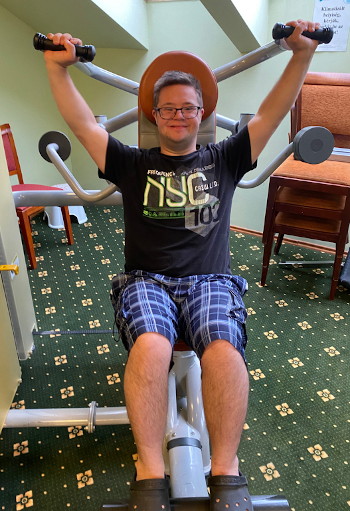
Down Syndrome (Trisomy 21) Doesn't Have to Be as Limiting as You May Think

Our goal is for every child diagnosed with Trisomy 21 (Down Syndrome) to have the chance to thrive.

Since 1955, we’ve been pioneering better ways to grow the brain to use the vast capacity that is presently unused.

Down syndrome Trisomy 21 Case study success -Mila

We Train & Support Parents

Your child is not hopeless. With the proper support and resources, you can help your child develop their cognitive, physical, and emotional abilities to live a full life. Our parent courses are based on neuroscience with decades of success. These courses help you create an at-home plan  to give your child the best chance to progress and succeed.

In-Depth Teaching

We teach our parents about brain growth and development so they can do a program at home to help their child get better.
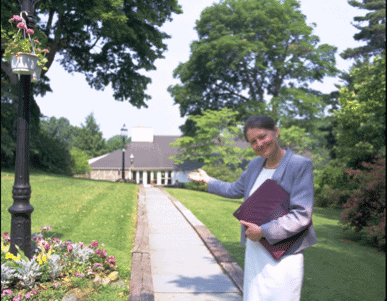
Janet Doman

Appointments & Support

After attending our live course, parents are ready to receive support, starting with an initial appointment.
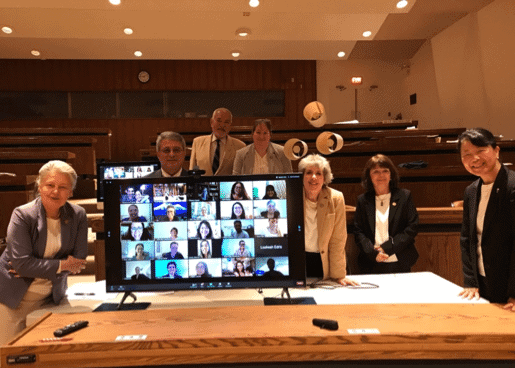
HTMonline1

Digital Resources

Through our online course, books and materials parents can start immediately to put their child on a pathway to wellness

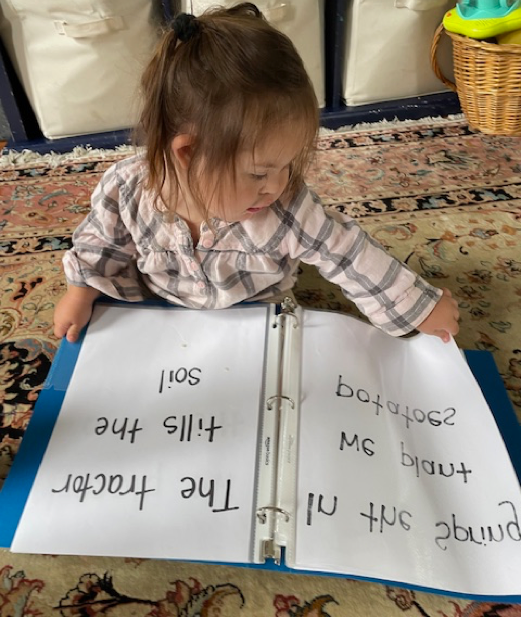
When I was told my daughter would be born with Trisomy 21, I felt like my world collapsed. I was so ignorant, and all the information I received was terrible. When she was born, she shattered all my preconceived notions and showed me that she is much more than a diagnosis. That is why I came to you, and today I can say your work has far exceeded my expectations, and I am grateful.

Down Syndrome Trisomey 21 Case Study Success - Yuuki

The Institutes is a nonprofit organization.

We have survived because we have a program that really works, we work very hard, and because people of good will around the world have contributed to our work.

We could not exist without this help. If you want to help give hurt children a fighting chance to be well, and well kids the chance to be highly capable and confident, then join our gentle revolution and contribute.

Our Program Focuses on Training the Brain

Children with Trisomy 21 ( Down Syndrome) are born with genetic differences that can affect development. The outdated beliefs were that differences limit a child’s potential, and it was widely believed that meaningful progress was not possible. Today, we understand that this belief was incorrect.

While The Institutes does not address the genetic condition directly, children with Down Syndrome often have brain-related challenges that can range from mild to severe. These challenges are similar to those experienced by other children with brain injuries and can be addressed through appropriate support.

Down Syndrome Trisomey 21 Case Study Success - Rosie
Trisomy 21 case study success Aron

Is Your Child Brain-Injured?

There are more than 300 symptomatic labels, including Down Syndrome, used to describe children who have problems in the central nervous system. These labels rarely include the brain. This is tragic for parents who waste precious time treating the symptoms and limited resources chasing after a proper diagnosis. 

The children with these frightening labels are brain-injured children. Their problems originate in the brain, not the periphery. 

Down Syndrome Trisomey 21 Case Study Success - Pepe

Our Treatment Programs Support Families

All treatment is done at home with mother and father. The program covers all aspects of the child’s physical, physiological, and intellectual development. We teach parents how the brain develops and how injury to the brain disrupts that development.

Parents attend our courses, read our books and bring their children to The Institutes for evaluation and a program. Between visits parents have the support of the staff when they have a question or a problem.

On Campus and Online

What To Do About Your Brain-Injured Child

After taking this world-renowned course, you’ll understand your hurt child like never before, and leave with a real plan for the future.

Down Syndrome Trisomey 21 Case Study Success - Manuela

Get to Know Our Kids

Our parents know firsthand that children with Trisomy 21 have amazing potential. Meet the kids who are getting better every day.

Yuuki

Yuuki

Down Syndrome, Trisomy 21
Yuuki
Down Syndrome, Trisomy 21

Yuuki was diagnosed with Trisomy 21 as an infant, and as her mother wrote, “Since then we began searching for the best solution we could find to help her develop fully.” Yuuki is now in junior high school, and has perfect attendance due to her excellent health.
Julia-Trisomy 21 case study success

Julia – Age 5

Down Syndrome, Trisomy 21
Julia – Age 5
Down Syndrome, Trisomy 21

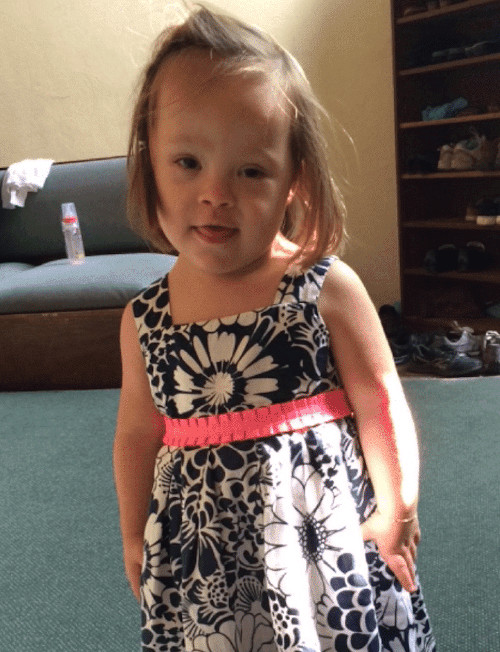
Is Down Syndrome an incurable disease? Week after week, our parents who have children diagnosed with Trisomy 21 come to The Institutes and tell us their story. Stories like that of little Julia, who has one of the most inspiring paths toward wellness we’ve ever seen.
Sara

Sara

Down Syndrome, Immobility, Trisomy 21
Sara
Down Syndrome, Immobility, Trisomy 21

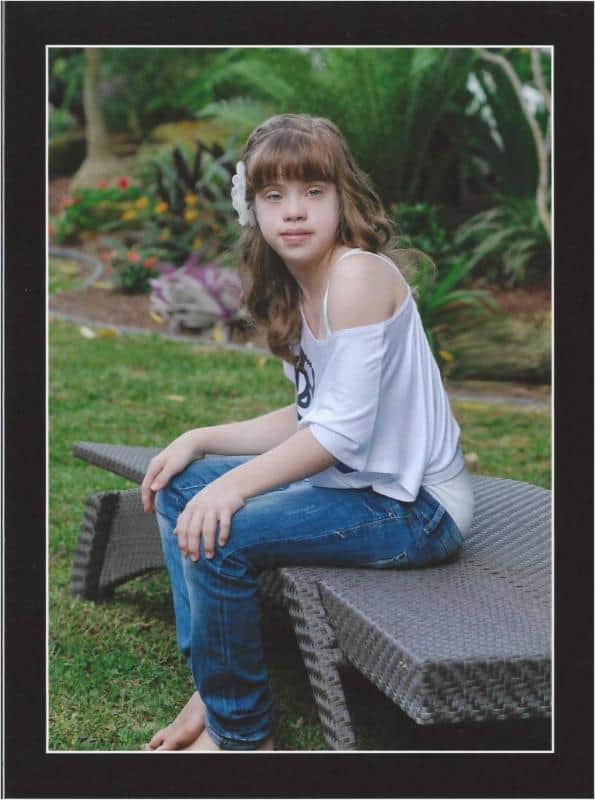
On the day of Sara’s birth, her parents were told that she had Trisomy 21. This began the family on a search to find answers for Sara, leading them to The Institutes. Today, Sara goes to school, and is above age level in academics, athletics, and in social situations, too.

Francesco

Francesco

Down Syndrome, Trisomy 21
Francesco
Down Syndrome, Trisomy 21

Francesco continues to be an inspiration for the staff of The Institutes and families around the world. He has shown time and time again that Trisomy 21 (Down Syndrome) does not define an individual’s potential.

Floyd – Age 6

Floyd – Age 6

Trisomy 21
Floyd – Age 6
Trisomy 21

At about 4 months, Floyd started showing symptoms of Trisomy 21. His parents worried he would not recover. That is when they discovered The Institutes and began implementing a treatment program at home when Floyd was 6 months old. The rest is history.

Daichi

Daichi

Down Syndrome, Trisomy 21
Daichi
Down Syndrome, Trisomy 21

A chromosomal test confirmed that Daichi had Trisomy 21. Now Daichi is off to a wonderful start – he went from not moving, understanding poorly, and being unable to speak; to running, understanding, reading, doing math, and speaking.

Upcoming Courses

For Parents of Hurt Children