
 Donate

Dx Cardiac Arrest, Developmental & Language Delay: Zac’s Success Story
 Tue, Jun 2, 2026
 5 mins read
Dad describes Zac’s Journey to Wellness
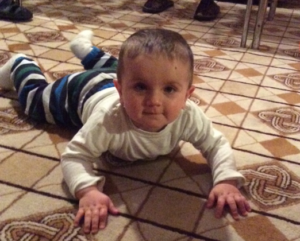
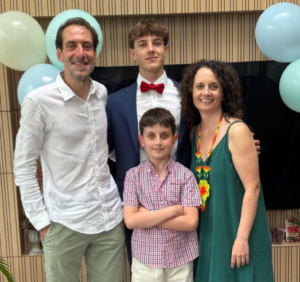
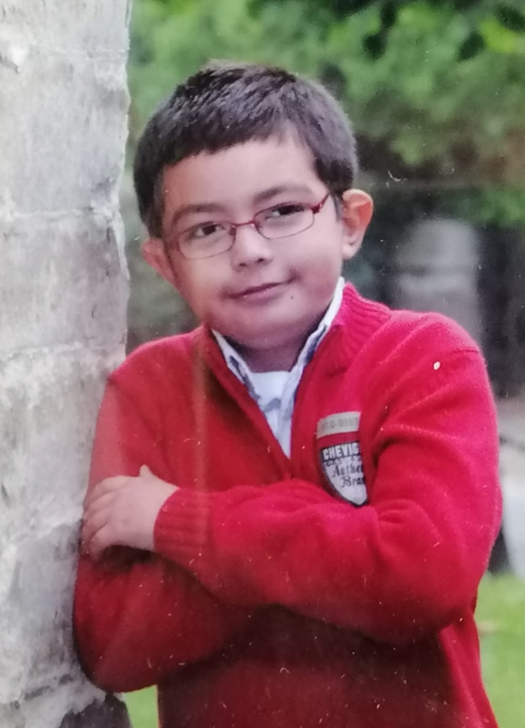
Zac was born on Christmas day via normal delivery following an uncomplicated pregnancy. We returned home the same day and began to settle into life as a family of four with Zac and his 5-year-old brother. Due to difficulties with breastfeeding, Zac was supplemented with formula, which led to constipation. While straining for a bowel movement, he developed an inguinal hernia and was admitted to hospital at just 11 days old for what we were told would be a straightforward repair procedure.
Remarkably, he appeared to have come through without any adverse effects
During surgery, after administration of the anesthetic, Zac suffered a cardiac arrest (ventricular fibrillation) and required resuscitation for 8 minutes. Afterwards, he spent several days in the pediatric ICU under general anesthetic to allow his brain time to recover. He woke up on the third day and after a few more days, we were discharged home. Remarkably, he appeared to have come through on the other side without any obvious adverse effects, although investigations into the cardiac episode continued. At 12 months old Zac was also discharged from the neurology department, and we were encouraged to simply enjoy our lives.
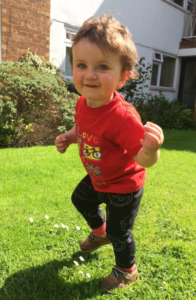
Throughout his first year, Zac began developing eczema and respiratory infections. At the time, we assumed these were typical childhood responses to environmental exposure and a part of building immunity. However, at the age of 22 months, he experienced an anaphylactic reaction to a peanut. After this, the respiratory infections become increasingly more frequent and severe, often requiring hospitalization and steroids.
As speech failed to progress, we sought help
Despite these challenges, Zac continued to grow and meet his developmental milestones with the exception of speech, which was limited to a few words and a lot of baby babbling. “A late talker” we thought. But as speech failed to progress, we sought an assessment from a pediatrician when he was around 2.5 years old. Again, we were reassured there was nothing to worry about.
By the age of 3, Zac still had very little speech, and we began working with a speech and language therapist. He also started pre-school and settled in well. He was a happy, affectionate little boy, always smiling, sleeping and eating well, with good eye contact. Although there were some inconsistencies in his ability to follow instructions, these did not seem significant, and we hoped the issues would integrate as he continued to grow and develop.
Temper tantrums emerged and he started to withdraw
Over the next few years, Zac received additional support both at school and at home for his speech delay, but he continued to struggle. Temper tantrums emerged and he started to withdraw. He could not bear a haircut. He found it difficult to sit still and concentrate on homework, writing was also difficult. He was afraid to climb at the playground, and he still descended stairs one step at a time.
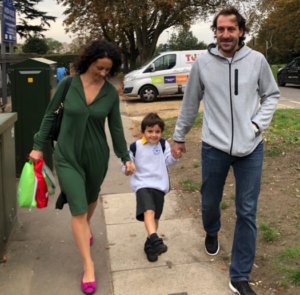
The conventional speech and language therapy had little effect on his speech development, and we were at a loss how to help him. At the age of 5, Zac remained significantly behind his peers in his ability to communicate and regulate. He was also prescribed inhalers to support his frequent respiratory infections.
So, we began exploring alternative approaches. We worked with a homeopath and a nutritional therapist to support Zac’s overall health and wellbeing. We eliminated gluten, dairy, and sugar from his diet and focused on whole, nutrient-dense foods. Functional tests revealed he had dysbiosis, increased intestinal permeability (leaky gut), and mycotoxins, and we began working to restore balance and support gut healing. His health improved and we were able to wean him off the inhalers.
Then, Mom discovered The Institutes
But his speech was developing painfully slow and writing was still difficult. Zac also became anxious in social environments, and we noticed sensitivity to some loud sounds. And then mom discovered The Institutes for the Achievement of Human Potential while reading the book, The Disease Delusion by Dr. Jeffrey Bland – one of his sons had also benefited from The Institutes’ program when he was young.
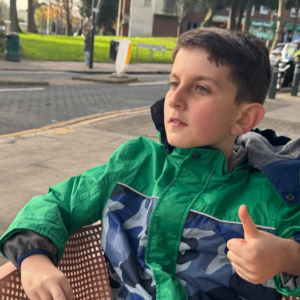
The next day we arranged a call with The Institutes and spoke to Susan Aisen. We attended the ‘What to Do’ course and learned there is no correlation between brain-injury and intelligence, but there is a link between brain-injury and the ability to express intelligence. We had finally found a program that offered Zac genuine support and hope beyond a conventional medical diagnosis that provided little expectation for meaningful improvement.
For first time ever we started getting answers to our questions
Moreover, for the first time ever we started getting answers to our ‘WHY’ questions – it was all in The Institutes Developmental Profile.
In November 2023, we visited the Institutes and Zac enrolled in the Aspirant Program. We learned that although he was 118 months in chronological age, his brain development corresponded to 50 months of age. He had a severe, diffuse, bilateral, cortical and midbrain injury.
Seven months later, after completing the school year, we opted to educate him at home and commenced the Intensive Home Program. The aim of the program is to improve the brain’s ability to function by working on neuroplasticity – the brain’s capacity to change and develop through repeated stimulation and activity focused on movement, sensory input, physical development and cognition.
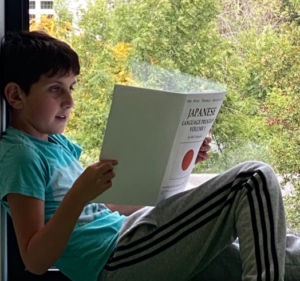
Immediate Results: Health, vision, Reading books, attending lectures, running & physical strength
Since then, Zac’s overall health, physical strength, and intelligence have all developed exponentially as a result of the Intensive Treatment Program. His speech is coming along too, although there is more work to do to reach excellence and graduate him for life. He is currently reading books and watching online lectures at university level and has a particular interest in how the brain works (no surprises there!)
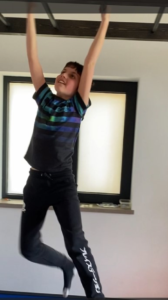
Shortly after starting the program, he learned to ride a bike and started descending stairs normally as his eye convergence improved. He is now climbing trees without an ounce of fear, running 5 km daily, and working towards being independent in everyday life.